
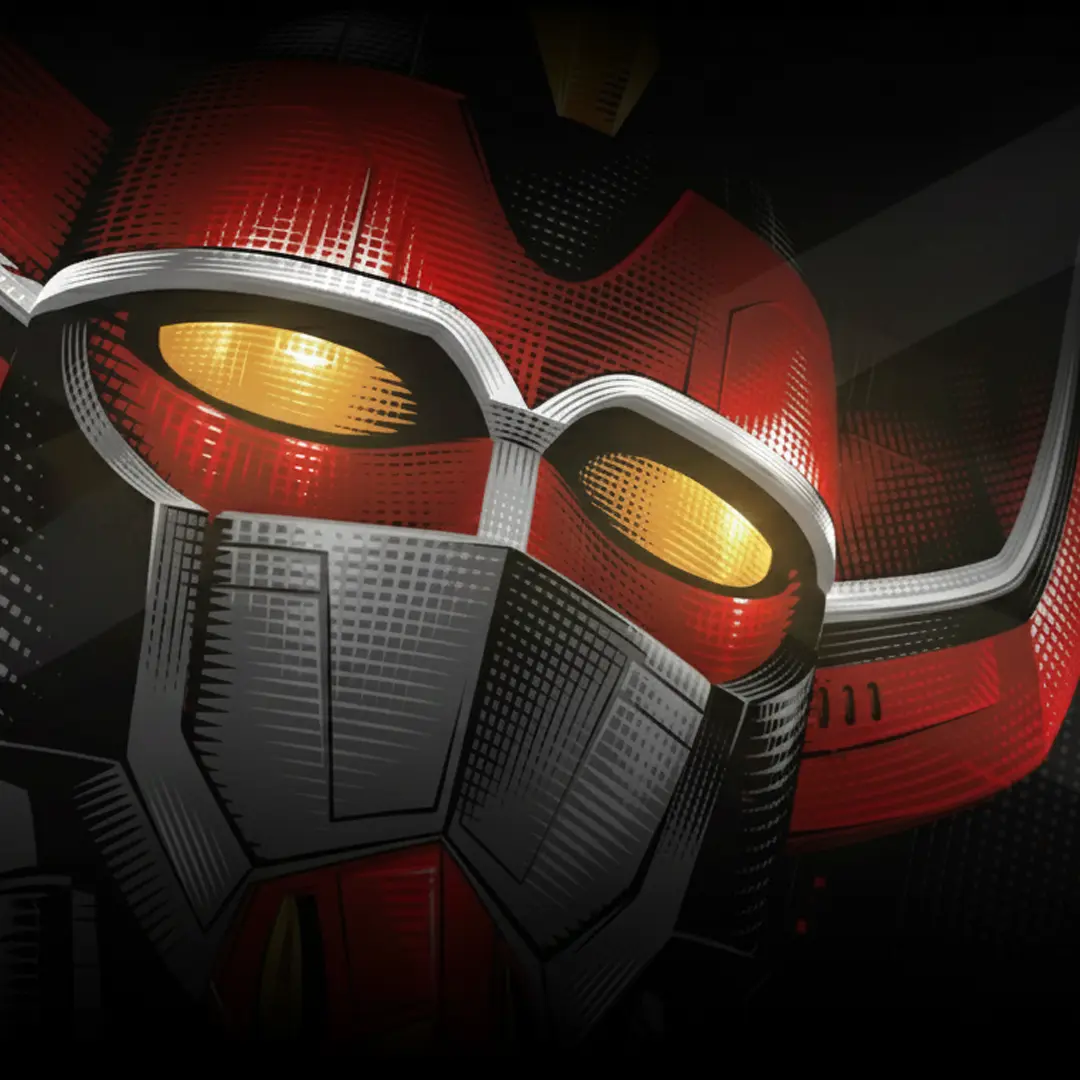

When Kids’ TV Accidentally Built a Multiverse
Synchronized backflips before every battle. Color-coded spandex suits. Giant robot dinosaurs combining into an even bigger robot. The Power Rangers Morphin Grid launched in 1993 looking like the most delightfully ridiculous show on Saturday morning television—and then quietly built one of the most complex multiversal mythologies in pop culture.

What started as Saban Entertainment adapting Japanese Super Sentai footage with American actors evolved into something no one expected: a franchise spanning 30 seasons, multiple dimensions, and a cosmic energy system connecting every Ranger across time and space. The Power Rangers Morphin Grid isn’t just plot device—it’s the framework for an interconnected universe that predated the MCU’s popularity by decades.
This complete guide breaks down how a show about teenagers fighting rubber monsters created mythology sophisticated enough to support crossover events, alternate timelines, and meta-commentary on legacy heroism.


The Morphin Grid: Cosmic Energy as Narrative Engine
At the foundation of Power Rangers Morphin Grid mythology lies the Grid itself—a mysterious, near-omnipotent energy field permeating all reality. Think of it as the Force from Star Wars, but color-coded and requiring way more acrobatics to access.
The Morphin Grid grants Rangers their powers through various conduits: Power Coins, Morphers, Zeonizers, and dozens of other artifacts across different seasons. What makes this system interesting is how it evolved from simple power source to sentient, reactive cosmic force.
Early seasons treated the Grid as pure energy—tap in, transform, fight monsters, done. Later mythology revealed something more complex: the Power Rangers Morphin Grid actively chooses Rangers, responds to cosmic imbalances, and maintains itself across dimensional barriers.

How the Grid Actually Works
The Grid connects to Rangers through several mechanisms that became more sophisticated as the franchise matured:
Power Coins and Morphers serve as interfaces, translating Grid energy into usable Ranger powers. Each team’s artifacts tap into different aspects of the Grid—dinosaur spirits, ninja powers, space energy, animal totems—suggesting the Grid contains multitudes rather than functioning as uniform power source.

The Grid’s sentience became explicit in later seasons, particularly during Shattered Grid when the entire system faced existential threat. The Grid doesn’t just provide power; it maintains balance across dimensions, protects timelines, and occasionally intervenes when Rangers face overwhelming odds.
Cross-temporal connectivity allows Rangers from different eras to communicate, crossover, and even share powers. This isn’t just convenient plotting—it’s fundamental to how the Power Rangers Morphin Grid operates as living system rather than static resource.

Zordon’s Legacy: More Than Just a Floating Head
Zordon of Eltar, the big floating head in a tube, represents the franchise’s emotional and mythological anchor. But beyond being the original mentor, Zordon’s story connects to the Power Rangers Morphin Grid’s deeper purpose.

Zordon wasn’t always trapped in a time warp. He was an intergalactic warrior who battled evil for millennia before Rita Repulsa imprisoned him in dimensional stasis. His connection to the Grid allowed him to continue the fight by recruiting Earth teenagers and granting them powers to defend their world.
The original Mighty Morphin Power Rangers team—Jason, Trini, Billy, Kimberly, and Zack—received Power Coins channeling prehistoric animal spirits. Tommy Oliver’s arrival as the Green Ranger (and later White Ranger) added complexity, introducing the idea that Rangers could switch power sets, be corrupted, and find redemption—themes the franchise would explore repeatedly.

Zordon’s ultimate sacrifice in Power Rangers in Space showcased the Grid’s most powerful application: his energy wave cleansed evil from the entire universe, transforming villains back to their original forms or destroying them entirely. This moment proved the Power Rangers Morphin Grid isn’t just about fighting monsters—it’s about cosmic-scale restoration and balance.
Rita Repulsa and Lord Zedd: Villains That Shaped the Mythology
Rita Repulsa and Lord Zedd weren’t just “monsters of the week” creators—they represented cosmic-level threats attempting to conquer or corrupt the Morphin Grid itself. Their conflicts with Zordon spanned millennia, suggesting the battle for the Grid predates human civilization.
Lord Zedd particularly stands out as genuinely menacing for a kids’ show villain. His exposed muscle tissue design and legitimately threatening presence made him feel dangerous in ways that elevated the stakes. When he and Rita eventually married (yes, really), it added soap opera drama to the cosmic conflict.

The Multiverse Before Multiverses Were Cool
Long before the MCU made multiversal storytelling mainstream, Power Rangers was crossing over different teams, timelines, and dimensions. The Power Rangers Morphin Grid’s nature as connective tissue across reality enabled storytelling ambition unusual for Saturday morning television.
Team-Up Episodes as Universe Building
Starting with the three-part Mighty Morphin Alien Rangers crossover, the franchise established that different Ranger teams could meet, share powers, and fight together. These weren’t just fan service—they demonstrated that the Power Rangers Morphin Grid connected all Rangers across time and space.

Forever Red brought together Red Rangers from ten different seasons for a single mission. The episode proved that once you’re a Ranger, you’re always connected to the Grid, able to morph even years after hanging up your helmet.
Shattered Grid: When Comics Took Over
The Shattered Grid comic event by Kyle Higgins elevated Power Rangers mythology to new heights. Lord Drakkon—an alternate universe Tommy Oliver who killed his mentor and conquered his reality—threatened to shatter the Morphin Grid itself, erasing Rangers across all dimensions.
This storyline did something remarkable: it treated Power Rangers lore with respect while adding genuine stakes. Rangers died. The Grid itself faced existential threat. Heroes from different eras had to cooperate or watch their entire legacy collapse.
Shattered Grid proved that Power Rangers mythology could support complex, emotionally resonant storytelling when given the space and respect it deserved.

Why the Mythology Actually Works
Despite starting as adaptation of Japanese footage with American actors dubbed over, Power Rangers built surprisingly robust world-building through several smart decisions:
Legacy matters. Once someone becomes a Ranger, they’re part of a chain spanning planets and timelines. Even retired Rangers maintain connection to the Power Rangers Morphin Grid, able to return when needed. This creates emotional weight—being a Ranger isn’t temporary identity but permanent transformation.

Diversity as foundation. From the beginning, Power Rangers featured diverse casting that felt natural rather than forced. The franchise normalized seeing heroes of different racial backgrounds, genders, and later even LGBTQ+ representation, contributing to its lasting cultural impact.
Evolution without abandonment. Each new season brought fresh concepts—space Rangers, time-traveling Rangers, ninja powers, beast spirits—while maintaining connection to the original mythology. The Power Rangers Morphin Grid provided narrative throughline that allowed innovation without discontinuity.
Meta-commentary on heroism. Later seasons explicitly explored what it means to carry the Ranger legacy, how power corrupts, and whether manufactured heroes can be authentic. These themes elevated the franchise beyond simple good-versus-evil narratives.

Navigating 30 Seasons of Content
New viewers face an interesting problem: 30 seasons of Power Rangers span wildly different tones, production values, and quality levels. Here’s how to approach this massive franchise:
Essential Starting Points:
[Mighty Morphin Power Rangers (Season 1)] – The original that started everything. Yes, it’s cheesy. Yes, the dialogue is rough. But it established the template and has genuine charm beneath the rubber monsters and recycled Sentai footage.
[Power Rangers in Space] – Often cited as the best season, In Space brought genuine emotion, serialized storytelling, and a satisfying conclusion to the Zordon era. This season proved Power Rangers could handle complex narratives.
[Power Rangers Dino Thunder] – Tommy Oliver returns as mentor figure, bringing nostalgia while developing a strong new team with excellent character dynamics. Great balance of legacy and innovation.
[Power Rangers RPM] – Post-apocalyptic setting with surprisingly dark themes for the franchise. RPM takes the concept seriously, resulting in genuinely engaging storytelling.
For Deep Lore:
[Shattered Grid comic series] – Essential reading for understanding how the Power Rangers Morphin Grid connects across dimensions. The stakes feel real, the character work lands, and the art spectacularly captures the scale.
Modern Entry Points:
Recent seasons like Dino Fury and Cosmic Fury modernize production values while maintaining connection to franchise mythology. These work as standalone entry points while rewarding longtime fans with Grid-connection references.

The Cultural Legacy That Keeps Evolving
Power Rangers influenced popular culture beyond just being a successful franchise. The show normalized diverse representation in action programming, proved American audiences would embrace Japanese-style tokusatsu storytelling, and demonstrated that “kids’ shows” could build complex mythologies.
The franchise’s impact shows in:
Cosplay and conventions where Power Rangers remain constant presence, with fans celebrating every era from Mighty Morphin to modern seasons.
YouTube and streaming culture where entire generations discover Power Rangers through reactions, retrospectives, and analysis videos exploring the Power Rangers Morphin Grid’s complexity.
Modern reboots and continuations that treat the source material with respect while adding contemporary sensibilities. The 2017 film attempt stumbled, but ongoing Netflix projects and comic series show the mythology’s adaptability.

What’s Next for the Morphin Grid
The franchise continues evolving with Netflix partnerships, new comic storylines, and potential film projects. What makes Power Rangers resilient is the Power Rangers Morphin Grid concept itself—as long as the Grid exists, new Rangers can emerge, old Rangers can return, and the mythology can expand infinitely.
Recent seasons have embraced continuity more explicitly, acknowledging that every team exists within the same universe connected by the Grid. This approach rewards longtime fans while remaining accessible to newcomers, since each season still works as standalone story.
The franchise’s willingness to experiment—trying different tones, settings, and power sources—keeps it from stagnating. Some seasons work better than others, but the Power Rangers Morphin Grid framework allows failures to be forgotten while successes get celebrated and referenced.

The Morphin Grid stays current
At its core, Power Rangers mythology built something rare: a genuinely interconnected universe that predated most modern franchises’ multiverse ambitions. The Power Rangers Morphin Grid served as narrative framework allowing 30 years of storytelling to feel connected rather than random.
More importantly, the franchise proved that “kids’ content” could be sophisticated while remaining accessible. You can enjoy Power Rangers as simple monster-fighting action, or you can dig into the cosmic mythology connecting every team across dimensions and time.
Thirty years after five teenagers first morphed in Angel Grove, Power Rangers continues finding new audiences while maintaining connection to its roots. The Morphin Grid ensures that once you’re a Ranger, you’re always a Ranger—and the legacy keeps expanding.
It’s morphin’ time. Always has been, always will be.
For more Universe mythology deep-dives, explore our stories about:


Leave a Reply